When handover is more than a signature: how cleanroom cranes are checked in detail

A cleanroom crane must not only function technically but also demonstrably meet all requirements. This blog explains how the final inspection and digital handover are organized, with emphasis on transparency, control, and quality assurance.
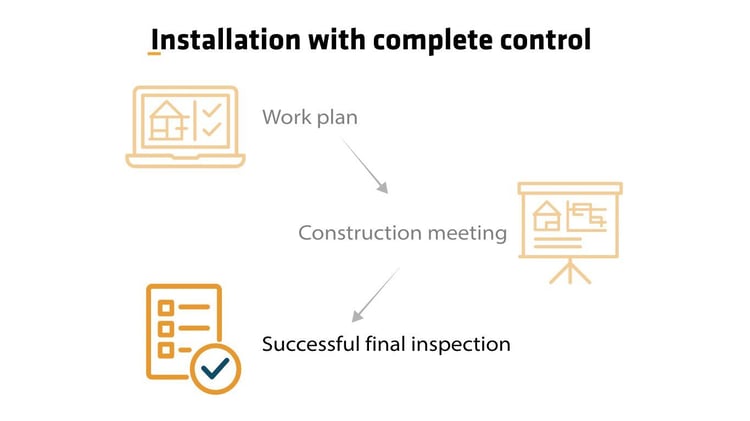
 

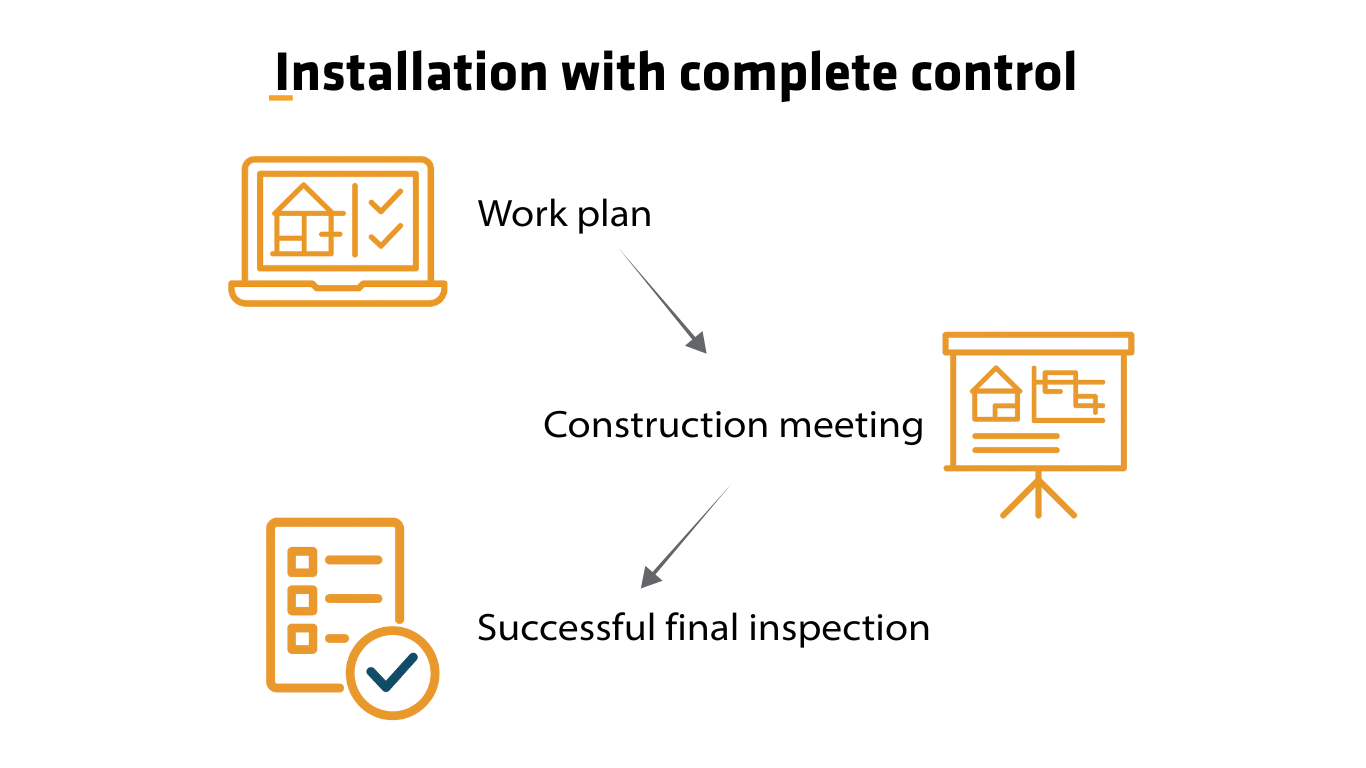
4 - succesful final inspection


Quality becomes visible in the final stage

The installation of a cleanroom crane does not end with tightening the last bolt. It is in the final stage—where technical work meets careful inspection and clear documentation—that the quality of the installation becomes visible. Only when every detail is correct and all results are recorded is the crane truly ready for use.

Joint visual inspection

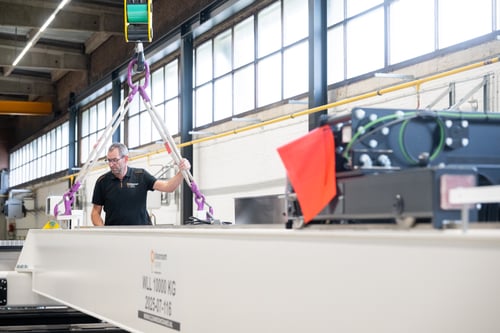
Before handover, a joint visual inspection is carried out. This assessment checks for any damage caused during transport and confirms that assembly has been completed correctly. The crane is also tested to ensure it moves, stops, and responds exactly as intended. From guide rails to emergency stops: every element counts.

Checklist on crane control

A checklist as safeguard

The inspection follows a fixed checklist tailored to the installation type and its cleanroom environment. This guarantees that no aspect is overlooked. The checklist also becomes part of the handover dossier, documenting every step so it is clear afterwards what was checked and with what result.

The Site Acceptance Test as formal proof

A key element of the dossier is the Site Acceptance Test (SAT), which records which functional tests were carried out and what the outcomes were. Measurement values, visual findings, and installer comments are included. The SAT not only serves as formal proof of proper handover but also provides a valuable reference for future audits and inspections.

Digital documents

Digital documentation for transparency

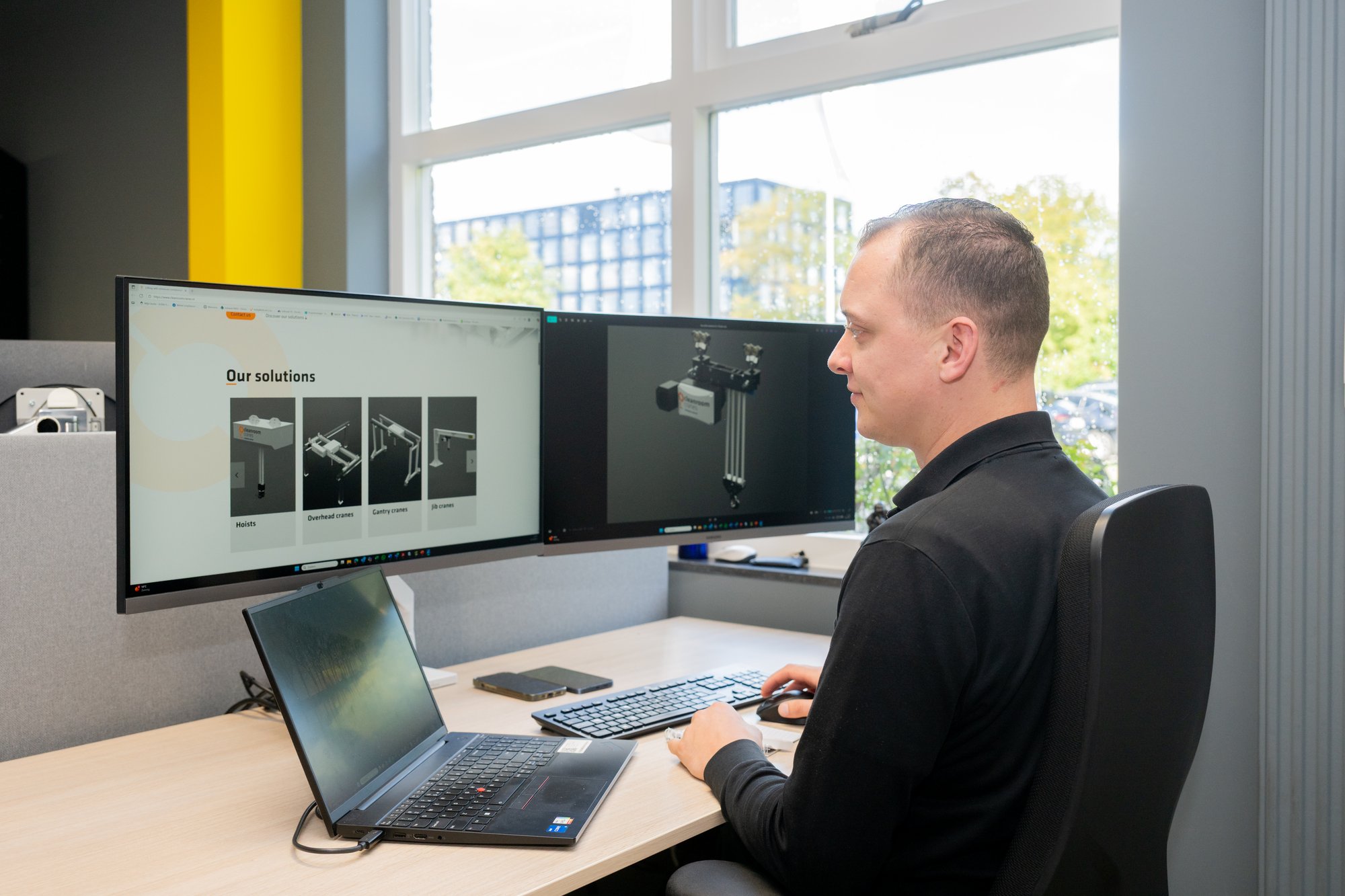
All relevant documentation is transferred digitally, including measurement reports, work plans, checklists, the SAT, and installation photos. Depending on the project, this information is shared via a central project environment or another agreed platform. This ensures that data remains accessible and that no crucial details are lost.

Practical example of timely correction

During the final inspection of a recent project, a deviation was found in the crane’s power connection. On paper everything seemed correct, but the actual connection did not fit the room layout. Thanks to the thorough inspection, the issue was corrected in time without affecting planning or functionality. This example shows why structured final checks are indispensable—not as a formality, but as a safeguard for quality, safety, and continuity.

Handover as the condition for quality

A crane installation is only complete when it works as intended, is fully documented, and is transparent for all stakeholders. The structured handover process is therefore not simply the end of the project but the guarantee of long-term reliability.

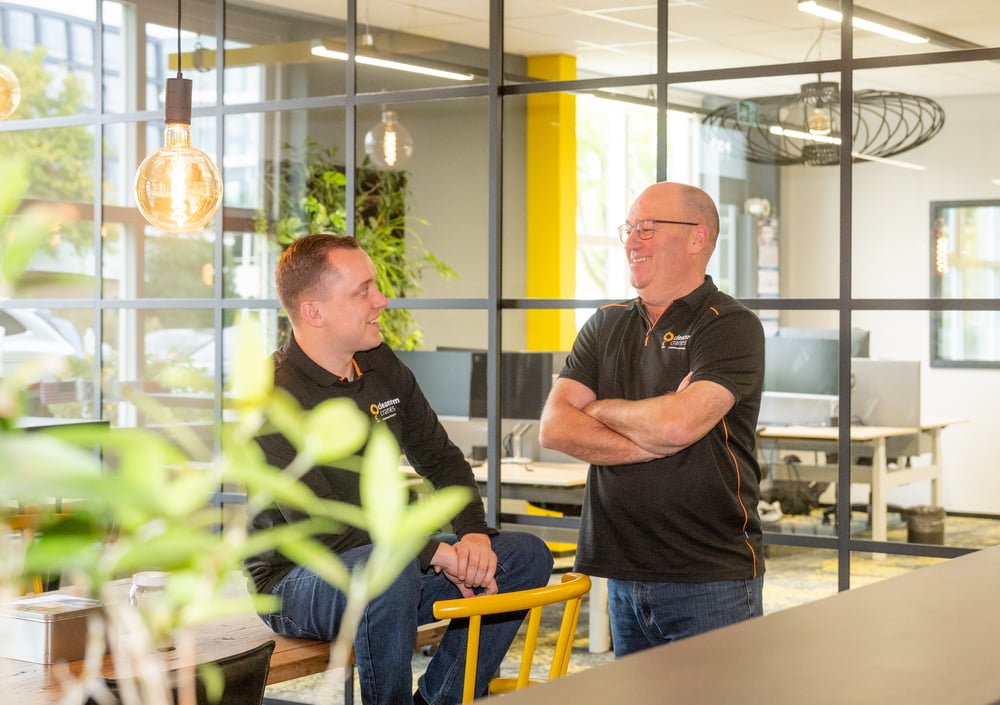
Teammembers Mennens Cleanroom Cranes

Looking for a reliable lifting solution for your cleanroom?

Contact us for a technically tailored installation with complete documentation.


Want to learn more about the installation process of cleanroom cranes?

The installation process consists of multiple steps in which preparation, coordination and execution are closely aligned. In this blog series, each phase is explained separately.

How a cleanroom crane is installed: avoiding surprises through full control
Insight into structure, coordination and control during the installation phase.

Why a work plan is more than preparation alone
On the role of planning and documentation in a stable and controllable installation process.

The role of construction meetings in the installation process
On coordination, progress monitoring and the early identification of potential issues during installation.


Meer nieuws

Blog Image :

MCC & Marketech at SEMICON SEA 2026

Mennens Cleanroom Cranes will participate in SEMICON Southeast Asia 2026 in Kuala Lumpur. The company will be present in collaboration with Marketech International Corp (帆宣系統科技股份有限公司). The focus is on cleanroom lifting solutions for semiconductor and high-tech production environments.

Lees meer
Blog Image :

Mennens Cleanroom Cranes R&D Center for lifting system validation

With the opening of its Research & Development Center (R&D), Mennens Cleanroom Cranes (MCC) now has a dedicated environment where cleanroom lifting systems are developed, tested and validated under controlled conditions.

Bringing these activities together in one location provides deeper insight into system performance, behaviour and component interaction. This directly supports informed design decisions and effective project execution.

Lees meer
Blog Image :

Stainless steel vs coated steel in cleanroom cranes

Material selection in cleanroom cranes is often underestimated. Choosing the wrong material can introduce contamination risks, increase system weight or result in unnecessary costs in highly controlled environments.

The choice between stainless steel and coated steel may seem straightforward at first, but is highly dependent on the application. Material selection directly impacts cleanliness, contamination risk, costs and process reliability in controlled environments.

Lees meer
Blog Image :

MCC at Clean Event 2026

On April 23, Mennens Cleanroom Cranes will participate in Clean Event 2026, organised by Mikrocentrum. The event is free to attend upon registration and brings together professionals working in contamination-controlled and high-tech manufacturing environments, with a shared focus on cleanliness, contamination control and process reliability.

Lees meer
Terug naar overzicht

Get advice

Our experts are ready to assist you.

Contact image 414x414 (1)

Need customization?

Contact image 414x414 (1)

Mennens Cleanroom Cranes B.V.

Achtseweg Zuid 161
5651 GW Eindhoven
The Netherlands
T +31(0)88 425 83 00
sales@cleanroomcranes.nl
www.cleanroomcranes.nl