Why a work plan is more than just preparation


 A cleanroom crane is never installed without planning. Behind every successful installation lies a work plan that brings together technology, scheduling, and collaboration. This silent force repeatedly proves decisive for controlled execution without surprises 

Afbeelding website deel 2 werkplan


What a work plan contains

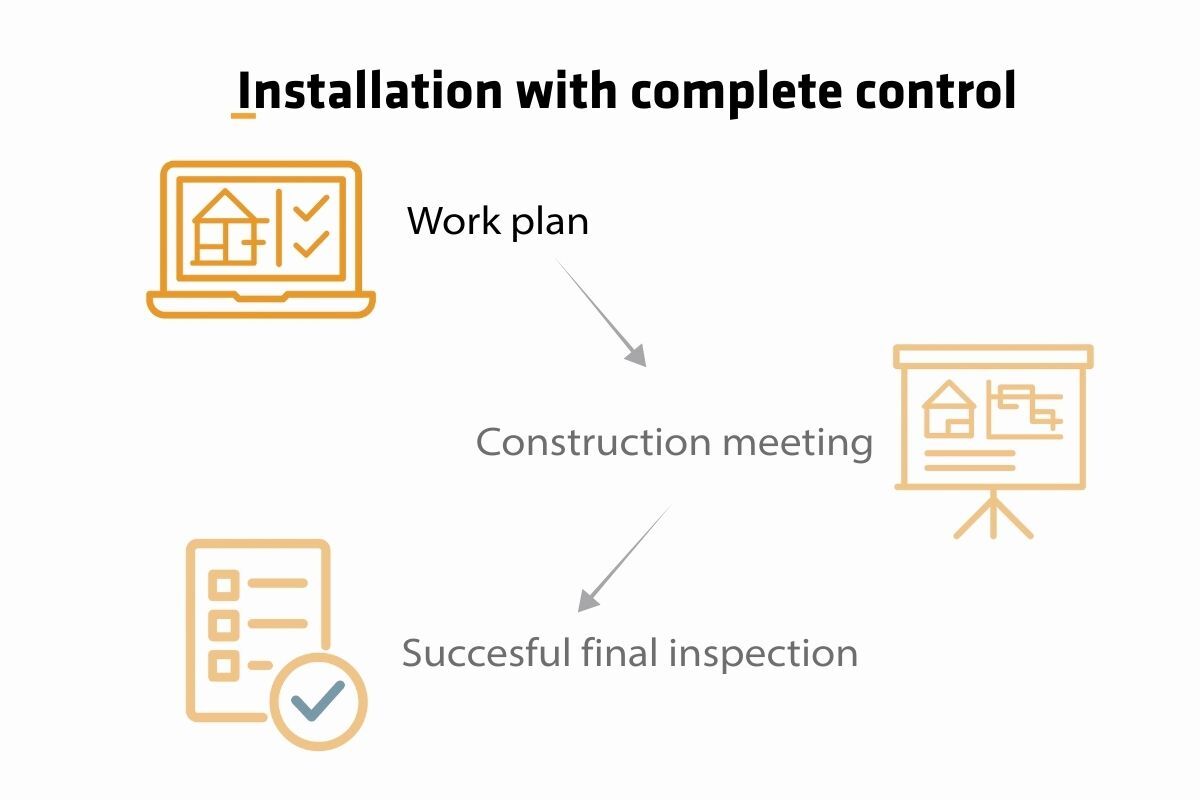
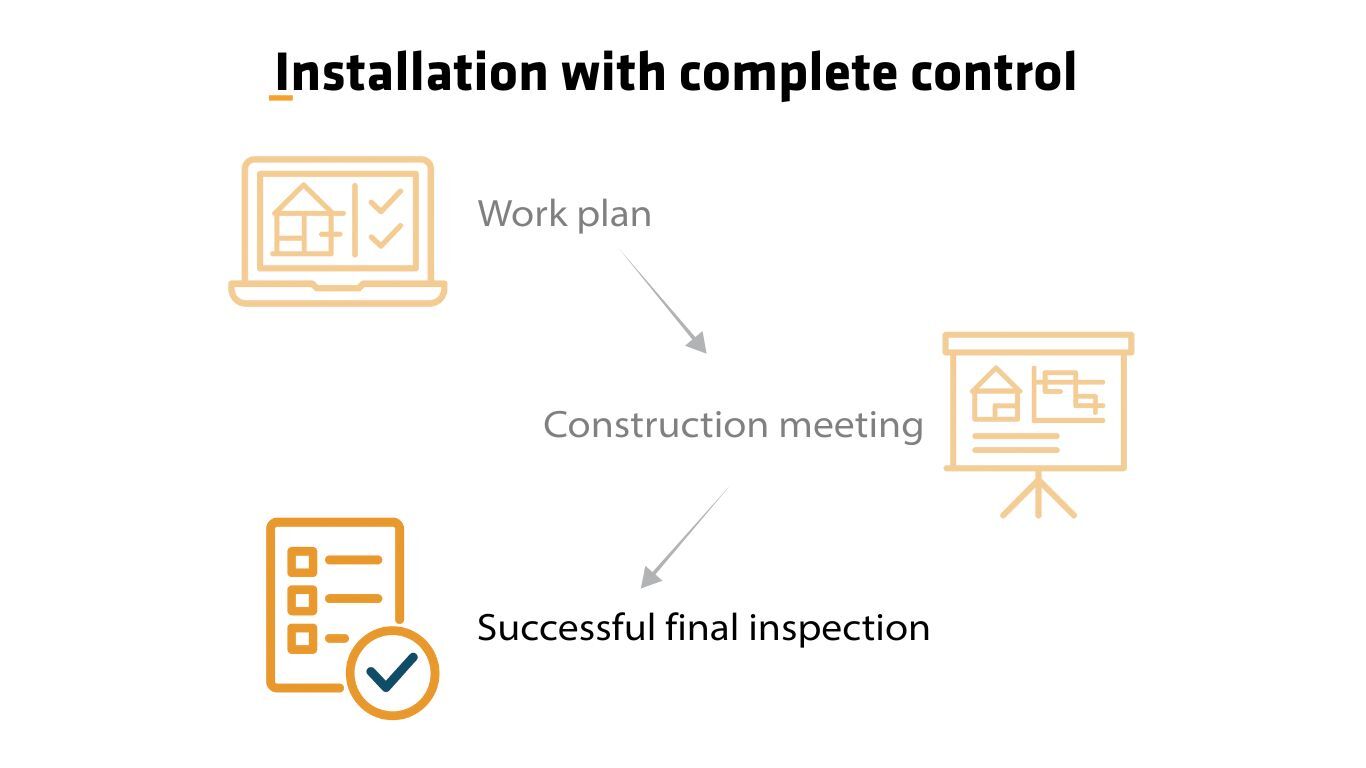
Installing a crane in a cleanroom requires more than craftsmanship. Technical precision, a tight schedule, and coordination with other parties are essential. The work plan functions as the connecting document. It includes all relevant information about the installation: from access routes and assembly methods to technical specifications, risks, and interdependencies. Every detail is aimed at avoiding misunderstandings and streamlining the process.

Meeting MCC about the workplan

Collaboration before assembly

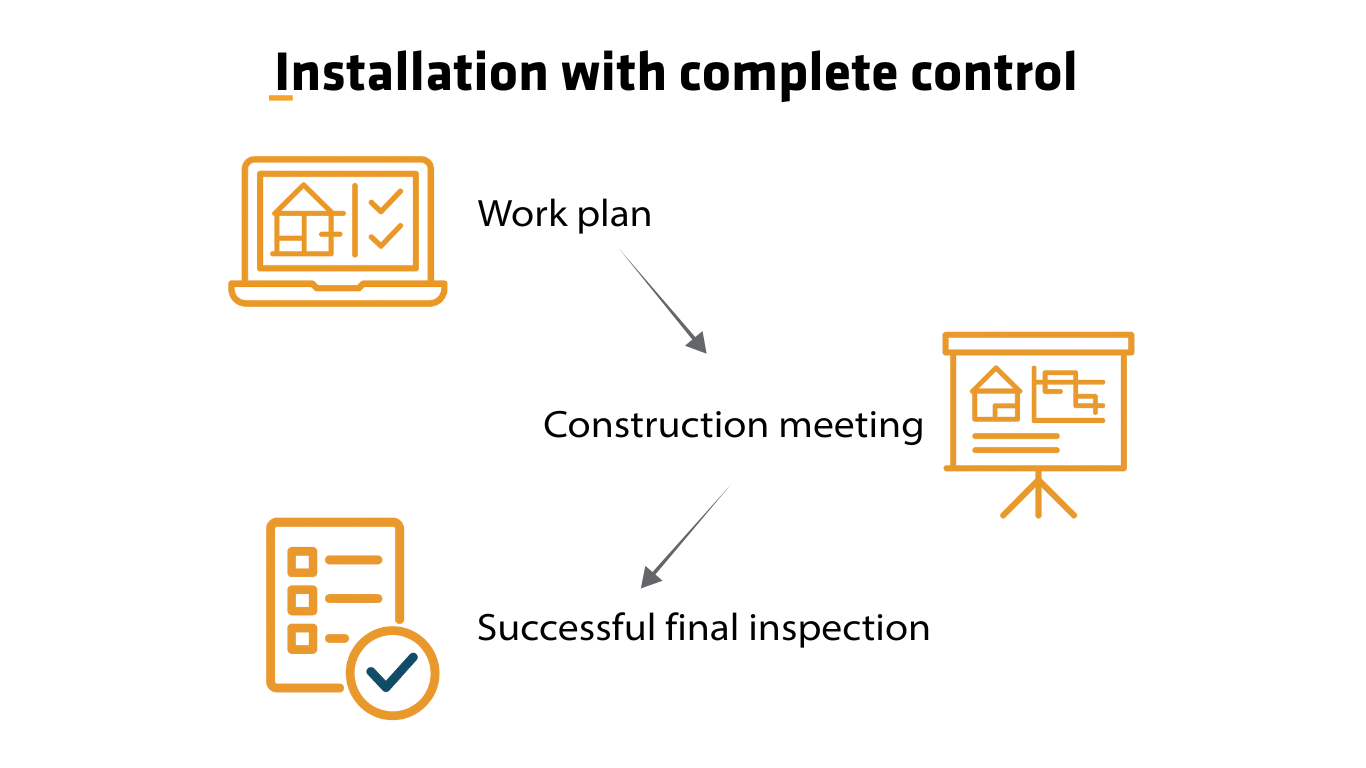
Drafting such a plan starts long before the first bolt is tightened. During construction meetings, bottlenecks and scheduling issues are discussed with stakeholders such as electrical services, flooring specialists, and main contractors. These sessions address not only technical details but also the feasibility of the planned installation date and the preparations still required. Based on this input, the work plan is refined and later shared with installers, subcontractors, and the client.

Unique settings for every project

Every project is unique

Although a standard template is used, no two plans are ever the same. The structure provides consistency, but each work plan is enriched with project-specific details. These may include unique assembly routes, cleanroom restrictions, or special lifting provisions. By using a central project environment, all parties have access to the latest version of the document, including updated schedules and supporting information.

No surprises during installation

The true value of a work plan becomes clear in practice. In one recent project, the power supply location of the crane had not been specified in advance. By recording this explicitly in the work plan, confusion during installation was avoided. Another example shows how the plan can help in busy construction environments: on a crowded site, it prevented crane installers from clashing with other trades over space and time slots.

A smooth installation starts with a work plan tailored to your cleanroom and schedule.

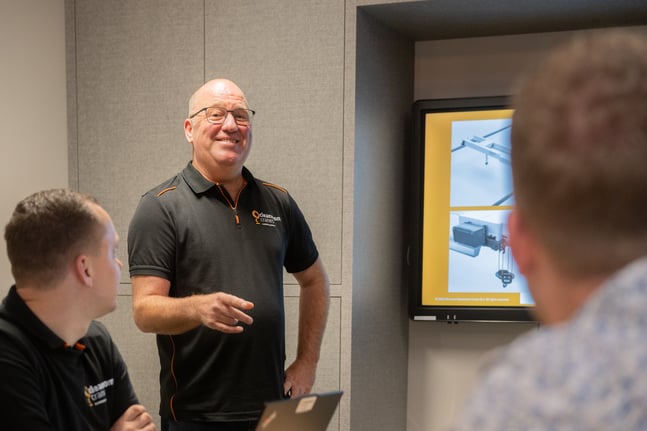
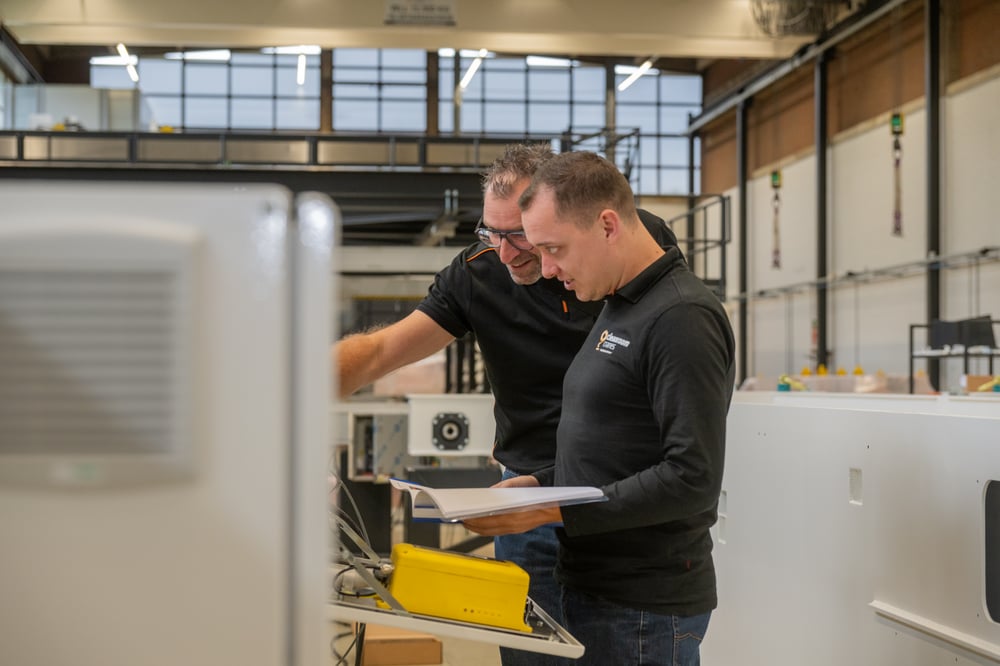
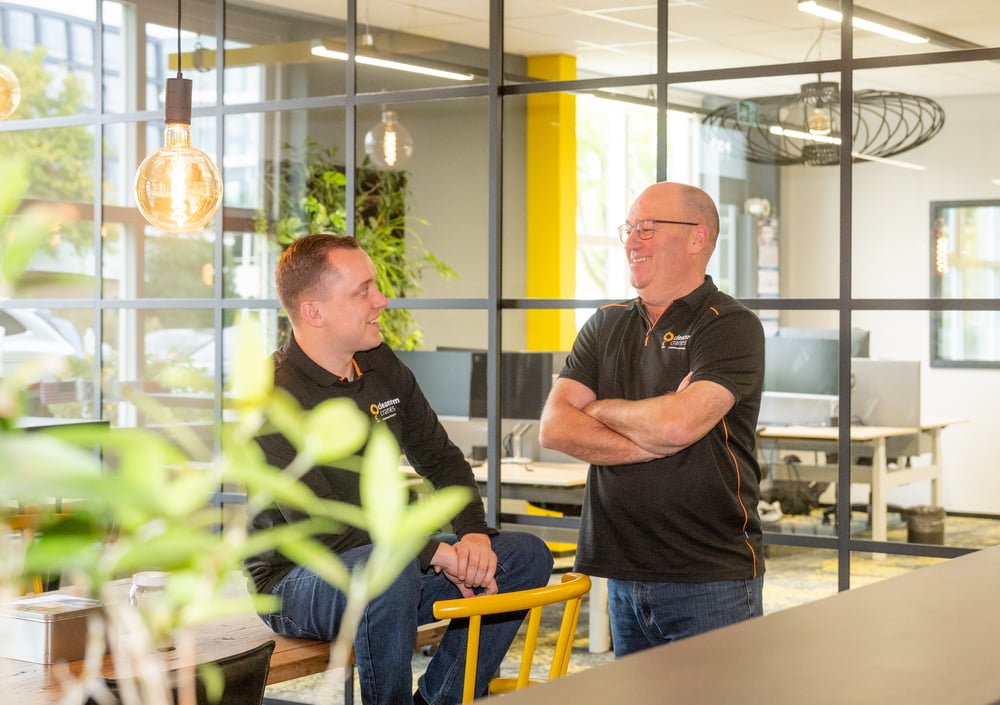
Team members from Mennens Cleanroom Cranes discussing the preparation for a controlled and surprise-free cleanroom crane installation.

No surprises during installation?

Contact us for a technical consultation. We are happy to develop a lifting solution that fits your project, without surprises afterwards.

More news

Blog Image :

Stainless steel vs coated steel in cleanroom cranes

Material selection in cleanroom cranes is often underestimated. Choosing the wrong material can introduce contamination risks, increase system weight or result in unnecessary costs in highly controlled environments.

The choice between stainless steel and coated steel may seem straightforward at first, but is highly dependent on the application. Material selection directly impacts cleanliness, contamination risk, costs and process reliability in controlled environments.

Read more
Blog Image :

MCC at Clean Event 2026

On April 23, Mennens Cleanroom Cranes will participate in Clean Event 2026, organised by Mikrocentrum. The event is free to attend upon registration and brings together professionals working in contamination-controlled and high-tech manufacturing environments, with a shared focus on cleanliness, contamination control and process reliability.

Read more
Blog Image :

Stopping systems in cleanroom cranes

A cleanroom crane does not operate in unlimited space. Its movement is confined to a clearly defined lifting range determined by the runway structure and the mechanical design of the system. That range defines where loads may be transported and positioned.

Protecting those boundaries is essential. For that reason, cleanroom cranes are equipped with dedicated stopping systems at the ends of the runway.

ENG Stopsystem 1

Read more
Blog Image :

Lifting systems within the V-Model of cleanroom validation

The V-Model of validation structures the relationship between design and qualification in cleanroom projects. What is often overlooked is that lifting systems already influence this structure at an early stage. Decisions made during functional design determine how smoothly installation, operational and performance qualification will proceed.

Read more
Back to the overview

Get advice

Our experts are ready to assist you.

Contact image 414x414 (1)

Need customization?

Contact image 414x414 (1)

Mennens Cleanroom Cranes B.V.

Achtseweg Zuid 161
5651 GW Eindhoven
The Netherlands
T +31(0)88 425 83 00
sales@cleanroomcranes.nl
www.cleanroomcranes.nl